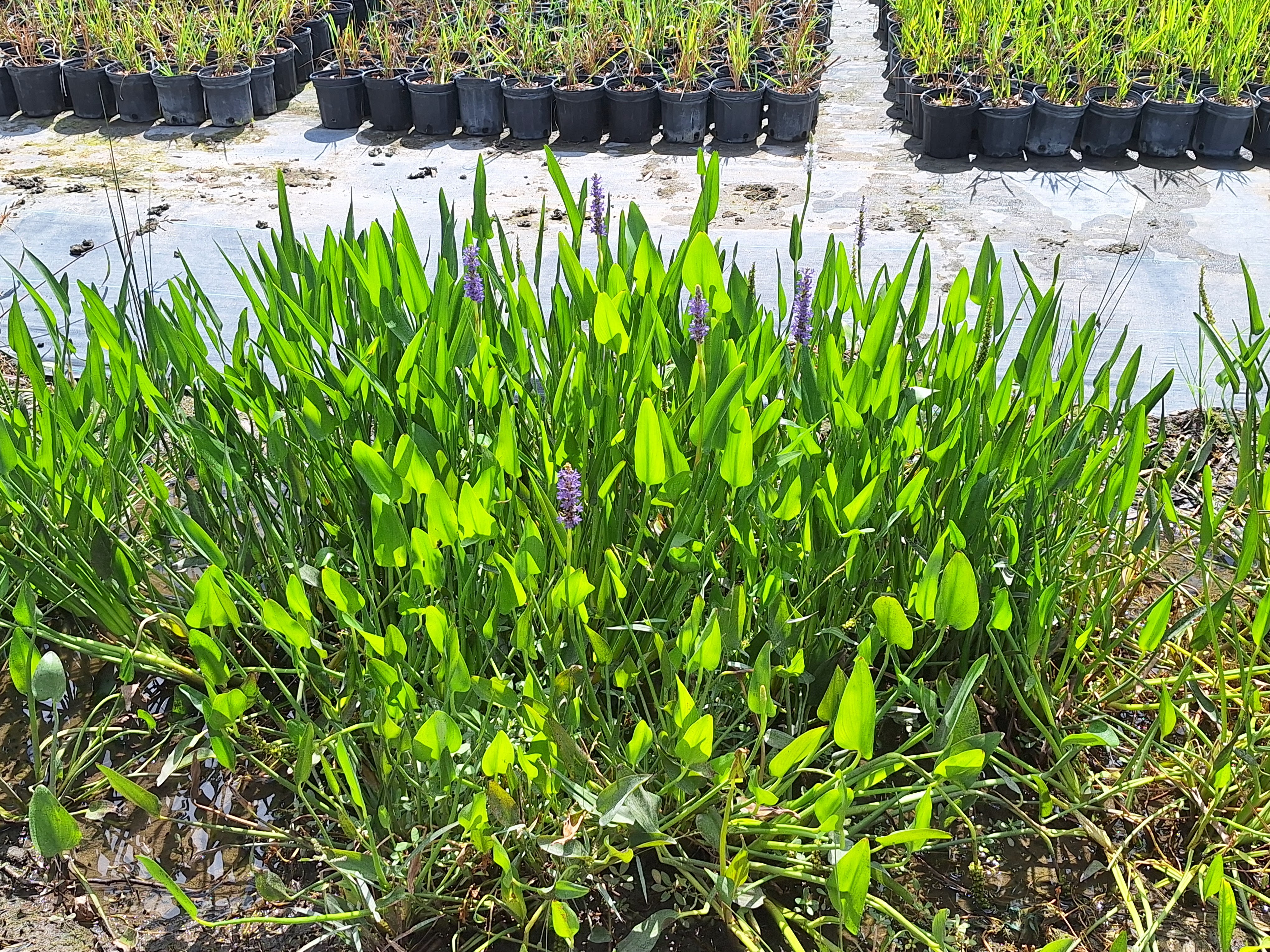
Showing posts with label florida. Show all posts

Sunday, July 26, 2026

New sail - 6.5 Ezzy Legacy + Hot Water

Now that I'm a responsible, married, middle-aged adult I'm pretty frugal about my watersports equipment purchases. So I used my ~2015 6.8 Aerotech Phantom sail hard for about a decade, including through at least one professional repair, before finally getting something new yesterday. The new sail is a 6.5 meter squared Ezzy Legacy. I also considered a 6.7 Ezzy Cross, a newer Ezzy freeride sail which Roy at Ace Performer had in stock. But I decided against the Cross for two reasons. 1) It was more expensive than the Legacy. 2) I was nervous about the extremely long "foot" length of the Cross, in which the bottom batten extends beyond the clew of the boom. I thought it might be in the way in wave riding and jibing and stuff.

Anyway, I was gonna try the 6.5 Legacy yesterday right after I bought it, but while idling my rustbucket no-AC minivan at Bonita Beach access #10, waiting for a nice young couple to leave the only available beach parking spot in Robert E. Lee County where only the aristocracy and landed gentry are deemed worthy of beach access, steam started billowing out from my hood and I had to flee to a shady spot to add coolant. I still salvaged a nice SUP session in the tree shade of the Imperial River and only hit one barely-submerged cypress stump at full speed causing one board-deck breaking knee impact and swan dive deep into the black water.
Today, with a full coolant reservoir and the van only making a few worrisome new noises, I headed back to Bonita Beach and had the good fortune to find an open spot at access #1. It didn't look windy enough to foil, but the water was a pretty color and the sun was shining so I figured the seabreeze might strengthen enough to foil while I was out there. The new sail rigged up easy and it looks good. The draft is really deep and close to the mast so the sail's center of effort is way forward. That tends to make sails powerful and light feeling- you don't feel as much "back hand" pull on the boom.
On the water it was definitely non-foiling conditions, but the wind very gradually built. I got up briefly in an isolated gust, and that gave me the gambler's hope of getting some more. Eventually there were some bigger patches of wind and I was able to fly for longer stretches, and even do some foiling jibes. The sail feels nice and stable at speed. I think the built-in shape that it has is better for foiling than the wind-induced shape of the Aerotech Phantom was. We'll see how it is for shortboard sailing once there's some more wind.
One more thing I wanted to say: The water here in South Florida is HOT. It's disturbing and in fact not normal. Doing fieldwork in the Caloosahatchee Estuary last week the thermometer on the fishfinder was saying 92 F - that's 33.4 Celsius - in the water. It would be neat if that heat would kill the germs from the 450,000 gallon (1,703 metric ton) sewage spill in the Caloosahatchee a few weeks ago, but germs like it hot.
The Florida Keys are also experiencing coral bleaching again - the worst since the terrible 2023 bleaching event that killed almost all of the endangered Acropora corals remaining on the reef. There are a lot of graphs and stuff on the NOAA Coral Reef Watch page where you can see the temperature and risk levels for various parts of the planet. I think one of the most telling figures is this "time series graph" which shows the cumulative heat exposure that the corals have had. It's still July but we're at a level now that we didn't get to last year until late August.

Proposed Solutions:

1. We stop CO2 pollution by switching to 100% renewable energy ASAP, and meanwhile we conserve energy by not doing energy-wasting things like building massive dystopian AI datacenters.
2. We plant lots of TREES and stop cutting down the ones we have. It was SO much cooler under the tree canopy of the Imperial River. Typical Florida developers are building for rich snowbirds who aren't here in the summer and have no appreciation for the value of trees, it seems.
3. We implement high tax rates on the richest Lee County residents and property owners, who can afford it, and use the money to buy much more public access along our beaches. Nothing fancy, just dirt/grass parking with tree shade.
4. We improve bike lanes and public transportation and stuff so it's more feasible to get to the beaches without a car at all.
5. We change the name of the county to something better, once we've earned it.

Friday, July 17, 2026

Florida Democratic Primary Ballot for August 18, 2026 election - Thoughts

There's an election coming up soon in Florida, and since I signed up to vote by mail I have my ballot now. I'm registered as a democrat, so my version of the ballot lets me vote for candidates in the democratic primary elections, as well as in elections for non-partisan positions like judges and school board members. Interestingly, I also get to choose between two republicans in a "universal primary" for District 5 County Commissioner, because Florida law opens up the primaries to all registered voters if all the primary candidates are from one party.

I tried to do a reasonable amount of a research into all the candidates before I marked my ballot, looking not only at the candidates' own campaign websites, but also at what the local newspapers and trusted pundits were saying about them. The News-Press usually has some local candidate information, and I think it's viewable even to non-subscribers. (I actually subscribed to that newspaper recently, which is the first time I've ever purchased a newspaper subscription. It seems to be a good local news source that covers shit in more detail than you get on the TV news. Also, I know and admire some of the writers a lot, including Amy Bennett Williams and Chad Gillis who have often covered science and environment stories I've weighed in on.)

Anyway, this is what I marked (the X is who I voted for), with a little explanation of why:

United States Senator - 
Angie Nixon (X) 
Alex Vindaman

- Both senate candidates have admirable qualities such as being willing to speak truth to power at personal risk. However, I chose Angie Nixon because of her support for peace in Gaza where my friend Rachel was killed by an Israeli bulldozer in 2003 in a pattern of violence against Palestinian civilians, aid workers, and human rights activists that the US has abetted for far too long. This needs to change. 

US Congressional Representative for District 19 (Byron Donalds' seat) -
Victor Arias
Robert M. Neeld
Howard Sapp (X)

- Sapp is a respected local leader who has been in tough political races before. He has also raised the most money.

Governor and Lieutenant Governor -
Evelyn Castillo-Bach
Thomas Eloy Fernandez
Dayna Marie Foster
David Jolly / Gwen Graham 
Dotie Joseph (X)  
Stephann Norman

- Dotie Joseph is an legitimate democrat with 8 years experience in the Florida House. David Jolly is the favorite in this race but he was a republican until recently, which I think is suspicious. 

Chief Financial Officer
Earle Ford
Annette Taddeo (X) 

- Taddeo has political experience and seems to unequivocally support stuff I care about.

Commissioner of Agriculture
Joey Mendoza Atkins (X) 
Donald A. "Don" Prichard

- Mendoza Atkins says he'll actually follow the recommendations of the Blue Green Algae Task force, which includes some scientists I admire. Also, Mendoza Atkins is the only candidate with a website.

Board of County Commissioners District 5
Amanda Cochran REP (X) 
Trish Petrosky REP 

- Cochran is a rural Lee County resident opposed to sprawl and endorsed by the non-partisan "Vote Water" environmental organization. Petrosky on the other hand was appointed by Governor DeSantis, is not really from around here, and is expected to be a rubber stamp for environment-destroying special interests

Circuit Court Judge 20th Group 19
Vera Bergermann (X) 
James Stewart 

- Stewart was appointed by Governor DeSantis. That suggests that Stewart has far right conservative views like DeSantis does. Bergermann was not appointed by DeSantis and is more likely to have independent views.

Circuit Court Judge 20th Group 27
Ryan Kuhl (X) 
Amanda Levy-Reis 

- Levy-Reis was appointed by Governor DeSantis. That suggests that Levy-Reis has far right conservative views like DeSantis does. Kuhl was not appointed by DeSantis and is more likely to have independent views.

County Judge Group 5
Mike Colombo (X) - Not appointed by DeSantis
Javier A. Pachecho - Appointed by DeSantis

- Pachecho was appointed by Governor DeSantis. That suggests that Pachecho has far right conservative views like DeSantis does. Colombo was not appointed by DeSantis and is more likely to have independent views.

School Board Member District 6
Jada Langford Fleming 
India Palencia (X) 

- Fleming is one of those ultra-conservative "anti-woke" crusaders who I think are dumbing down and education and censoring important topics. Palencia is known for standing up for minorities. 

Saturday, July 11, 2026

Stop the "rollout" of PLASTIC GRASS at FGCU

College campuses are usually quiet in summer, but Florida Gulf Coast University buzzed this week with an impassioned effort to stop the rollout of PLASTIC GRASS in the central quad. Plastic grass already sneaked its way onto campus in two other places this year, including a 4000 square foot area around the student center that used to be real grass and trees and is now an uninhabitable plastic heat-collector.
While mowed lawn is far from the best type of land cover for nature (you may have seen my other posts advocating for unnecessarily mowed areas to be "rewilded"), it's still WAY better than plastic grass, despite whatever BS hype you might hear from plastic grass salesmen. Some reasons real is better than artificial include:

1. Plastic grass is not alive. Nothing can eat it. Real grass, on the other hand, supports a food chain of bugs and worms and bunny rabbits and things that in turn support birds and other predators.
2. Plastic grass is made from oil in an energy intensive process that contributes to CO2 pollution and other types of pollution.
3. Plastic grass breaks down (quickly in the searing UV of the Florida sun) and introduces microplastic particles and toxic chemical pollutants like PFAS into the soil and water, hurting wildlife and endangering human health.
4. While real grass that's overmanaged with fertilizer, pesticides, watering, etc. can be a burden on the environment, grass actually grows fine in south Florida with no intervention other than mowing. It gets weedy, but that's a good thing because the biodiversity of the weeds leads to more efficient resource use and resilience, and the flowering weeds look pretty and support all sorts of beautiful and important pollinators like honeybees and butterflies.
5. Real grass with no chemicals added can also help sponge-up chemical pollution running off from other areas.
6. Real plants naturally cool the landscape via "evapotranspiration" (wicking water from the soil up through their roots and leaves into the sky), and also by conversion of light energy into chemical energy via photosynthesis. Sunlight hitting plastic grass, on the other hand, just turns into HEAT, making artificial turf areas much hotter than natural grass; even hotter than pavement sometimes. Trees cool better than grass, but grass is still way cooler than plastic. We've known this stuff about the heat problem of plastic turf since the early 1970s, at least, but just to demonstrate it again I deployed a thermometer on the real and fake grass at FGCU last week-
The plastic grass on campus is particularly galling because FGCU, my employer, is conspicuously branded as Florida's "environmental university." Environmental sustainability has been a central part of FGCU's stated goals since its founding in 1997. This may be partly to offset the original scandal of our campus' construction over sensitive wetlands and panther habitat that was supposed to be preserved. (This was part of a trojan horse deal to let land baron Ben Hill Griffin develop a bunch of surrounding property that was also supposed to have been protected. Very Florida.) Anyway, despite the dirty beginnings, FGCU has USUALLY done a good job of being green. We've kept most of the campus as natural preserve areas, we've let native plants grow around our stormwater ponds to the point that they've become diverse wetlands, we've integrated hands-on environmental education into almost all our academic programs, and we've hired a lot of biology, environmental science, environmental engineering, and marine science faculty who've been active in research intended to help protect the environment.

So how did we go so wrong with the plastic grass? I think it's because the business and operations parts of the university, in their enterprising zeal, have developed a very bad habit of making environmentally-consequential decisions about campus management and development without involving any of the environmental experts we have among our faculty. FGCU does have a Sustainability and Resiliency Council co-chaired by a wonderful environmental scientist who I sincerely love, but it doesn't seem like that group can do anything besides make recommendations that get ignored. I understand why the business and operations folks don't like involving faculty. We faculty are a bunch of opinionated know-it-alls who are never quite satisfied with anything, and decision-making processes we're involved in often become slow and painful. Also, we might say "NO" to some big building or project that the expand-the-enterprise folks are giddy about getting underway. Nevertheless, faculty from relevant disciplines MUST be included in decision making processes to avoid these kind of glaring, should-have-known-better, publicly-humiliating mistakes. What's the point of all our big brains and expertise if the people making decisions never ask us what we think?

In an official statement addressing the plastic grass controversy, given for a News-Press story about the plastic grass that I was also quoted in, our university's spokesperson pointed out that the planning folks did send around a survey last year to ask what people would like to see for the campus quad area. I remember the survey. It was pretty open-ended and of course I filled it out and said I'd like the quad area to be kept as natural as possible, and oh by the way please remember to ask us or at least tell us when you're making some big environmental decision. "Would you like us to replace the real grass with plastic grass?" was absolutely NOT one of the questions on the survey, and I highly doubt that any of the other staff or students who filled out the survey said anything remotely like, "I want to see more plastic grass." So I think the decision to use plastic grass was a poor interpretation of whatever feedback the planners got from that survey and one that, again, could have easily been avoided if there was anyone on the decision making committee with even the slightest knowledge and appreciation of science and environmental stuff.

The fight is still on. I have hope that we can stop the plastic-rollout from happening in the main quad, and maybe we can even tear it out of the areas it's already gone in. Some students from our ornithology club made an online petition that you can sign if you want to help. (790 signatures so far!) It's wonderful to see bravery and leadership from the students on these campus environmental issues. I was heartened to see their commentary in this Gulf Coast News TV segment, for example. I'm also excited to see one of our top research students, Anthony Dues Jr. has started a substack blog tackling the topic with a scientifically informed rant. This ain't over.

Saturday, July 4, 2026

Sea Breeze / Land Breeze - The Gulf of Mexico Breathing

Florida doesn't have any mountains to look at but we do have some primo clouds. Clouds have interested me ever since I was a kid, but since getting into windsurfing and studying marine science, both of which require learning about the roles of ocean and atmospheric circulation in weather and climate, I've developed a cloud obsession bordering on the unhealthy. Clouds are neat in themselves, but their patterns and changes over time tell an awe-inspiring story of the planet's life; its giant, slow breathing and pulsing movements of water, energy, and heat. One cloud pattern I love to watch in summer in Florida is related to the seabreeze / land breeze cycle that unfolds each day and night.

Sea Breeze is wind that blows from the ocean towards the land. It's driven by solar heating of the land during the day, which causes hot air to rise over the land, drawing cooler air in from the sea. If conditions are right the seabreeze forms tall, billowing clouds as it rises over the land. These are the source of Florida's summer thunderstorms, which are particularly intense over the middle of the state where the Atlantic Coast sea breeze coming from the east collides with the Gulf Coast sea breeze coming from the west.

Land Breeze is the opposite of sea breeze. It's wind that blows from lands towards the ocean, when the ocean is warmer than the land so air is rising over the ocean and sinking over the land. It happens at night, because land cools off faster than water does. So when the sun sets in Florida the thunderstorms over land usually peter out, but majestic thunder clouds may form over the ocean. On summer mornings in Florida, especially on the Gulf of Mexico side, you can often look out and see gorgeous, side-lit walls of thunderclouds that formed over the ocean at night.

I can't see the beach from my apartment complex, but I know which direction to look to see those over-the-Gulf clouds, and they're often spectacular in the morning. Likewise, in the afternoon I look east to see the eruptions of storms forming inland, and I try to time my bike ride home from work to not get caught in them. Below is a comparison of the morning and afternoon skies today, demonstrating the pattern pretty well. (I should note that it's never exactly the same, and there definitely exceptions to the land clouds in the day, sea clouds at night rule, but the exceptions are interesting, too.)
Here's what the morning conditions look like on the iwindsurf.com radar. Land breeze pattern, with the activity over the ocean and nothing happening over land.
Here's what the afternoon conditions look like on the iwindsurf.com radar. Sea breeze pattern, with land heating generating rising air and thunderstorms over the peninsula, but not much going on over the waters.
This is the modeled wind strength and direction for the morning from iwindsurf.com. Air is still flowing off the land out into the ocean.
This is the modeled wind strength and direction for the afternoon from iwindsurf.com. You can see landward flow caused the seabreeze, plus locally increased winds around the thunderstorms.

Sunday, June 28, 2026

The stark folly of poisoning a lakeshore (photos)

Next to my apartment complex is a large retention pond (henceforth, "the lake") which captures and processes runoff from the sprawling development around it. The major developments that border the lake are: Hertz Arena (where the ECHL champion Florida Everblades hockey team plays), Waterline Estero apartments (where I live), The Springs at Gulf Coast apartments, the Miromar Outlets mall, and the Interstate 75 highway.


According to satellite imagery on Google Earth, which I can rewind to 1985, there was some sort of waterbody there even the 1980s, though it was surrounded by woods then. My guess is that the lake began as a quarry, maybe related to construction of the interstate, before it was modified into a retention pond. Anyway, that's besides the point. The point is that nowadays it's an urban waterbody with the important jobs of:

1) Controlling flooding

2) Filtering pollution out of runoff water

3) Being something nice for people to look* at so they'll spend more money on rent, shopping, shows at the arena, etc.

*People used to do more than just look at the lake. In the early 2000s they did waterski shows in it, but that stopped before I arrived in SWFL in 2012. Probably for the best, but it's kind of sad they don't even allow fishing in the lake now.

4) Providing some vestige of habitat for plants and animals that are losing a lot of their other "real estate" as urban growth explodes in the area

Despite its burdens, the lake seems to be functioning well. I'm judging this by the fact that compared to other retention ponds in the area the water is surprisingly clear and full of submerged aquatic vegetation and fish. I know this from lots of looking at the lake, and a bit of snorkeling and deploying underwater cameras in it.

The lake's submerged aquatic vegetation, specifically Vallisneria americana, known as tapegrass or eelgrass, is its secret to clear water. The plants absorb excess nitrogen and phosphorus from the polluted runoff, so there's less in the water to fuel algae growth. This works really well, up to a point. If the loading of nutrient pollution becomes too extreme, or something knocks back the plant life, a lake can suddenly shift from plant-dominated with clear water to algae-dominated with murky water. This dynamic is called ASS - Alternative Stable States. For more info see Scheffer, M., Jeppesen, E. (1998). Alternative Stable States. In: Jeppesen, E., Søndergaard, M., Søndergaard, M., Christoffersen, K. (eds) The Structuring Role of Submerged Macrophytes in Lakes. Ecological Studies, vol 131. Springer, New York, NY. https://doi.org/10.1007/978-1-4612-0695-8_31

I am nervous about this lake switching from its current, clear-water state into an algae-dominated ASS. The reason I'm nervous is that some parts of its shoreline are being managed very poorly. Specifically, the shoreline along Miromar Outlets and I-75 is being sprayed with herbicide to kill all the shoreline plants, leaving just bare mud and rocks. This video clip and the photos below it show the contrast between a well-managed part of the shoreline in front of The Springs apartments, and the terribly-managed part of the shoreline in front of Miromar Outlets.


Natural shoreline in front of The Springs apartments- Keep up the good work.

Semi-natural shoreline in front of Hertz Arena- They mow and do some "spot" spraying of plants, which I think is unnecessary, but it could be worse.

Herbicide-nuked shoreline in front of Miromar Outlet- Ugly, unsafe, and environmentally atrocious. Tsk tsk.

I assume Miromar is doing this as some misguided attempt to make it look "neat and tidy" because there's no legitimate ecological reason to do it. Here is why they should stop spraying herbicide on the shoreline:

1. It causes shoreline erosion.
2. It leads to more runoff pollution entering the lake. One reason ecologists recommend keeping a generous buffer of littoral and riparian vegetation around urban water bodies is because these plants are very effective at intercepting and removing pollution from runoff.

3. It reduces the abundance and diversity of native plant and animal life- bees, butterflies, birds, frogs, fish, etc.

4. While there might be a perception that nuking the shoreline down to a barren wasteland increases people's safety from alligators, it probably does the opposite, because it invites people to go closer to the water's edge where they're more likely to encounter an alligator. I think if the shoreline is reedy and brushy people are less likely to go down to the water's edge.

CONCLUSION: This lake is a local treasure, but it's in danger of losing its ecological integrity because of foolish management on the outlet mall side. I'll see if I can get in touch in with them and convince them of the error of their ways. If any of you readers know one of the higher-ups at the organization, please let me know.

Friday, May 8, 2026

Manatees to oysters; school's out fieldwork blitz in SW Florida

I finished my spring semester grading on Sunday night then woke up at 6 am Monday to begin four consecutive days of benthic ecology fieldwork in the Caloosahatchee River Estuary (CRE) and Pine Island Sound (PIS). Here's a little about the projects:

CRE- Caloosahatchee means "river of the Calusa;" named after the people who lived in SW Florida prior to Spanish and English colonization. The original headwaters of the Caloosahatchee were west of Lake Okeechobee, but in the 1880s a canal was constructed to extend the river to the lake itself. This seemed like a good idea at the time, providing a highway for steamboat traffic and a mechanism for controlling lake level to allow more farming around its shores. Three locks and dams were also added to the Caloosahatchee to retain or release water as needed for human use, turning the river into a linear reservoir. Ecologically it was a disaster, of course, because it starved the Everglades of water and turned the relatively clean, steady flow of the Caloosahatchee into a wildly fluctuating, polluted flow.

From the Gulf of Mexico to the first dam on the river, life in the CRE now suffers from salinity levels that flip-flop between high and low extremes beyond the natural variability of an estuary. (I wrote a paper about that with some other scientists in 2020.) In recent decades we have tried to regulate the flow to better meet both nature's needs and human needs as part of the massive "Comprehensive Everglades Restoration Plan" (CERP). The latest Lake Okeechobee Systems Operating Manual (LOSOM), integral to CERP, is better at keeping water flows to the estuary within ecologically reasonable bounds. It's not perfect, though, and in high rainfall times or droughts like we're having now the estuary still gets too fresh or too salty.


The best "ecological indicator" of the estuary getting too salty is loss of the Tape Grass (Vallisneria neotropicalis) beds that used to cover large areas of the upper estuary. Vallisneria is a freshwater plant but can tolerate salinity levels up to about 10 ppt (pure freshwater is 0 ppt and the ocean is 35 ppt). So the upper parts of estuaries are OK for it. We want Vallisneria growing in the CRE because it provides food for wintering manatees and habitat for fish and crustaceans. It also helps absorb some of the excess nitrogen and phosphorus getting into the estuary from urban and agricultural pollution, and benefits seaward habitats like seagrass beds by preventing algae blooms. (My grad student Brondum Krebs and I wrote a paper about that in 2024.)

Picture of extensive Vallisneria beds in the CRE in 1984, taken by Calusa Waterkeeper emeritus John Cassani.
There have been various governmental and non-profit environmental group efforts in the 2000s to restore the mostly-lost Vallisneria beds, including an ambitious planting effort begun in 2024 using cages to protect the plants from grazing while they're getting established. Seagrasses (and their freshwater kin like Vallisneria) often experience "positive density dependence" in stressful environments, meaning they flourish when there's enough of them around that they can stabilize the local environment and resist grazing, but if they fall below that self-sustaining threshold it's really hard to get them back. Getting them back may require both a big reduction in the environmental stresses and active measures like planting. The 2025-2026 drought in Florida has greatly worsened the salinity stress on naturally recovering and recently replanted Vallisneria in the CRE. This week we were encouraged to see SOME Vallisneria still living in the CRE restoration areas that we monitored, but there was much less than there had been just 6 months ago.

A Vallisneria hanger-on.
There were also some upsetting signs of trouble in the upper estuary such as:

1. A huge, rotting manatee carcass in one of our monitoring sites. This may be a late casualty of the February power plant snafu that cut off the warm water flow that manatees were sheltering in on the Orange River, a tributary of the upper CRE. Or it migth have been a boat strike, since the seasonal speed limit for boats expired on March 31st but some manatees are still hanging out in the upper CRE. I'm not sure what the manatees are still doing up there because there's very little Vallisneria for them to feed on. They might be eating the filamentous red algae Polysiphonia subtilissima, which is abundant in the upper estuary due to the nutrient polluted conditions. Compared to true plants like seagrasses and Vallisneria, algae are thought to be an inferior food for manatees, so this is a little worrying.
2. Oysters, Crassostrea virginica, far further up the estuary than I've ever seen them before. Oysters prefer water of 14-28 ppt so they're usually in the middle to lower part of the estuary, rarely even making it as far up as downtown Fort Myers. This week we actually found a couple of oysters upriver of the railroad bridge and "Beautiful Island" water quality sensor maintained by the Sanibel Captiva Conservation Foundation (SCCF).
Oysters cement their shells to whatever hard substrate is available. In the upper CRE the hard substrate is shells of Rangia cuneata and Polymesoda caroliniana clams, which are normally the dominant bivalves in that low salinity zone.
Over the last 90 days the SCCF sensor has shown salinities near and sometimes exceeding 10 ppt, which is really bad for Vallisneria. A lot of the Vallisneria restoration areas and former strongholds are well seaward of Beautiful Island and have surely experienced even higher salinities this year.
What should we make of this? Should we give up on trying to restore Vallisneria in the Caloosahatchee, since climate change, sea level rise (about 30 cm [1 ft] since 1965), and increasing human demands for fresh water are going to make it even harder to maintain low salinities in the future? We need to be realistic, but I don't think we should give up yet. A huge reservoir (the C-43 reservoir) has recently been built upriver on the Caloosahatchee to store water in wet times and gradually release it in dry times. We didn't need that kind of artificial thing back in the day because natural wetlands in the watershed would store and slowly release water to the river. However, our drainage of the wetlands with canals, and other watershed modifications like pavement and rooftops that prevent groundwater recharge have made it necessary. Once it's full, the C-43 reservoir should at least buy us a couple decades of keeping the seawater at bay and maintaining a low salinity Vallisneria habitat.

There is the issue of the water in the C-43 reservoir possibly becoming a polluted soup of algae unsafe for release, since it's built on top of defunct orange groves with fertilizer-saturated soils and doesn't include any artificial wetland features for nutrient removal. But we'll cross that bridge when we come to it, I guess. I like the idea of having some kind of floating aquatic plant harvesting system in the reservoir to sponge up and repurpose the excess nutrients until the water is clean. Another thing we should be working on for the real long term is an inland retreat for the Vallisneria, because at some point sea level rise is just going to be too much to keep it growing where it's hanging on now. That inland retreat thing is something that both humans and plants will be going through in the next couple centuries.


PIS- Pine Island Sound, in contrast with the beleaguered pollution-highway that is the main stem of the Caloosahatchee Estuary, is the healthiest estuary in SW Florida. This is because its watershed is relatively sparsely populated barrier islands with decent pollution controls, it has good connections to the Gulf of Mexico through tidal inlets, and only gets a moderate amount of spillover pollution from the more inland estuaries like the Caloosahatchee and Matlacha Pass. PIS is not perfectly healthy, though. For example, it lost its Bay Scallop population after the construction of the Sanibel Island causeway bridge, which reduced flushing of the estuary and caused it to take on more gunky Caloosahatchee water. From north to south Pine Island sound you can see a definite transition in water color from Caribbean blue-green to more Caloosahatchee brown.


The reason I was in PIS on Thursday was to help with "ground truthing" for a seagrass mapping effort led by the South Florida Water Management District. A few months ago a contractor for the SFWMD flew over all the SW Florida estuaries aquiring detailed imagery for seagrass delineation. This is an important effort that's repeated every few years to track seagrass gains and losses. It gives us a report card on our environmental stewardship, because seagrass beds expand where water quality and salinity levels are good, and they perish where water quality or salinity levels are bad. I was nervous about the PIS ground truthing because I'm only a so-so boat operator and navigator, and the geography of PIS is a complicated maze of islands, vague channels, and dangerous shoals. To make up for my ineptitude I pre-scrutinized maps of the area and carefully planned a zig-zagging route to hit all the spots I'd been assigned to check. I had sharp crew of FGCU graduate student Alvio Barbaretta and undergrad Bailey Day, who made sure I didn't get lost on the drive to the boat ramp, measured water clarity, punched in coordinates and data, and kept eyes out for hazards of the sea.
This allowed me to focus on the fun stuff like snorkeling around the boat to see what species of seagrasses and algae were present. After three days in the coffee-brown water of the upper CRE with barely any submerged vegetation, the lush seagrass meadows and blue-green water of PIS were wonderful.
We even had a close encounter with LIVE manatee who seemed happy, and very curious about our boat.
Every site we stopped at in PIS had seagrass, though it was sparser at deeper sites (a result of reduced light availability) and it was more algae covered at southern sites (a product of more nutrient pollution) from the Caloosahatchee. As bad as the drought has been for Vallisneria in the upper CRE, it's actually pretty helpful for the saltwater-associated seagrasses in places like PIS, because less river flow and runoff means less delivery of coastal pollution. The beautiful seagrass scenes from Pine Island Sound are not something that we should take for granted, but rather, something that should inspire us to be better stewards of all waterways in Florida.

Wednesday, February 25, 2026

Florida Keys marine ecology fieldtrip photos

Every semester I take my Florida Gulf Coast University Marine Ecology class to the Florida Keys Marine Laboratory for a few days to snorkel and learn about South Florida marine species and habitats. This year we went earlier than usual, but we lucked out with a stretch of warm weather between cold fronts. For the second part of the trip, shark and ray expert Dr. Pilar Blanco joined us, scoping out the venue for future research and teaching trips. That seemed to improve our luck at seeing sharks and rays, including this pair of Nurse Sharks (Ginglymostoma cirratum) snuggling under a ledge at Alligator Reef.
A link to the full album is here- https://photos.app.goo.gl/NbfLxnJPHEyzsMTR6

Saturday, February 14, 2026

Went to the new MOTE Aquarium in Sarasota

I'm on an advisory council for something called the "Seagrass Restoration Technology Development Initiative." The initiative is funded by the state of Florida and administered through a private organization called Mote Marine Laboratory and Aquarium. Periodically the group gets together and all the scientists funded by the initiative update the organizers and advisory council on their research activities and findings. Yesterday there was one of those get-togethers at Mote SEA - the organization's fancy new public aquarium at Nathan Benderson Park in Sarasota. It was neat for lots of reasons:

1. Nathan Benderson Park is a unique and impressive venue for competitive rowing and paddling. I'd been there to compete in "Sup 'n Run" races in 2016 and 2017 and to cheer Robert Norman's 24 hour SUP distance record attempt. I was nostalgic to see the place again.

2. The Mote SEA aquarium wasn't built yet when I did those sup things, but I'd seen the crazy building under construction from the freeway, so I was curious what it was like inside. Here are some pictures-
3. The seagrass science aspect of the meeting was even more interesting (to me) than the public aquarium. I brought my grad student along so she could absorb the latest info on how to characterize genetic diversity and stress-adaptations within seagrass plants. The hope is to use that knowledge to improve seagrass conservation and restoration success. Of course the other, even-more-important part of successful seagrass conservation and restoration is reducing the man-made environmental stressors that have been killing seagrass: nutrient pollution, climate change, coastal hardening and dredge/fill operations, etc. So let's not forget about that.

Sunday, February 1, 2026

Much ado about falling iguanas, poor things

Last night and tonight will be among the coldest nights in SW Florida since Rhonda and I moved here in 2012. I don't think it's actually going to freeze, but it will get down to like 1 or 2 degrees Celsius, which is very cold for here. As usual the news and local authorities are making a big deal about cold-stunned green iguanas (Iguana iguana) falling out of trees. This year they're encouraging citizens to round up the cold-stunned ones and deliver them to the Florida Fish and Wildlife Conservation Commission for an opportunistic mass murder event.

I will not be participating in that. Green iguanas may be non-native, but they're peaceful, lazy vegetarians that seem to be very low on the harm scale compared to other invasives. I don't see how removing them from urban areas, which are already super invaded by HUMANS and all the non-native plants and animals we surround ourselves with, makes those areas any more natural. Maybe I'm biased because I had a cute iguana named Spike when I was a kid in Washington State, and whenever I see a feral iguana here it makes me think of him.

Today walking around a local park (I won't say which one) I came across this very chilly and sluggish young iguana doing her best to warm up on a south-facing mound of dirt. I'm hoping she makes it through the night and evades the do-gooders who would bag her off to iguana Auschwitz.

Saturday, January 31, 2026

Manatees warming inland, wind addicts shredding in the Gulf

The Florida Manatee (Trichechus manatus latirostris) is a subspecies of the West Indian Manatee. The other subspecies is the Antillean Manatee, Trichechus manatus manatus. The distinction is that only the Florida Manatee has to deal with cold water in winter. It does so by migrating inland to "warm water refugia" like freshwater springs. The Florida Manatee is also a little bigger than the Antillean Manatee, which might be another cold adaptation. Development in Florida has destroyed or cut off access to a lot of the natural warm water refugia, but at the same time we have inadvertently created some unnaturally warm areas (like powerplant outflows) that the manatees can use instead. One of those is Manatee Park in Fort Myers, which is on an offshoot of the Caloosahatchee Estuary warmed by effluent from a gas powerplant. It's a popular tourist destination in winter when the manatees are there. I got to go there on Thursday to give a talk about aquatic plant restoration to a nice group of staff and volunteers. We are trying to restore freshwater plants in the low salinity part of the Caloosahatchee so the manatees can eat those near the powerplant and not have to swim a long way through cold water and boat traffic to get to the seagrass beds near the coast. The freshwater plants were THICK in the 1980s and 1990s but some devastating saltwater intrusion events killed almost all of them. We're trying to manage the river flow better to avoid that, but it's hard because there are a lot of competing demands for the water. Rising sea level and other factors aren't helping. But we're doing our best. Anyway, seeing all those adorable potatos basking in the warm river reminded me what it's all about.
The other Florida winter thing I wanted to write about is windsurfing. I got a great session today in strong Northwest winds associated with what's supposed to be an exceptionally cold cold front. The air was about 14 Celsius on the beach at Wiggins Pass State Park, which would barely qualify as cold in Virginia or Massachusetts, so it wasn't too bad. I wore a 3 mm scuba wetsuit with a hooded neoprene vest underneath for some extra warmth, and that was perfect. Sometimes I peeled the hood back, but after a dousing or in chilly, peppering rain I would put it back on. The wind was just starting when I got to the beach and the waves hadn't built much yet. It was perfect for the 5.7 sail and 106 liter exocet cross.
Later the wind increased significantly and I switched to 4.7 and my smallest board (83 liters). The waves were bigger by then and I got some fun little rides.
There were a few nice kiteboarders there who I chatted with in the parking lot. Good times. :)

Sunday, July 13, 2025

Wacky diversification within single genera of aquatic plants

On Friday I was snorkeling around in the nearly-freshwater part of the Caloosahatchee River Estuary, checking out the status of efforts to restore Tape Grass, Vallisneria americana. Tape Grass is a seagrass-like submerged aquatic plant with dark green blades. After looking at thousands of tiny shoots of the same plant species, you start to get a good search image. At one point, though, I saw a solitary shoot that just looked different. Blades more pale, pointier at the tips, veins more visible.

Vallisneria americana
Not Vallisneria americana
Some of the other scientists I was with helped identify the not-Vallisneria as Strap-Leaf Sagittaria, Sagittaria kurziana. https://plant-directory.ifas.ufl.edu/plant-directory/sagittaria-kurziana/

Strap-Leaf Sagittaria forms underwater meadows in clear rivers and streams in other parts of Florida, but none of us had heard of it occurring in the Caloosahatchee Estuary previously. The single shoot we saw likely grew from a seed washed down from somewhere upriver. The Caloosahatchee receives water not only from its own watershed, but also through a canal that links its headwaters to Lake Okeechobee. So anything in the Lake Okeechobee watershed (including bad things like pollution as well as nice things like native plant seeds) can potentially wash down into the estuary. If you look back at 1960s reports about what water plants were common in the upper Caloosahatchee Estuary, it wasn’t just Tape Grass and Widgeon Grass (Ruppia maritima) like it is now. There’s also mention of another seagrass-like underwater plant, Sago Pondweed (Stuckenia pectinata), plus native floating Water Lettuce (Pistia stratiotes) and non-native floating Water Hyacinth (Pontederia crassipes). The floating plants disappeared because of aggressive programs to eliminate them through herbicide spraying, and the rooted plants (including most of the Vallisneria americana) probably disappeared because of water management changes that caused the normally-fresh parts of the estuary to get too salty. Grazers may have also played a role in the declines- in addition to native manatees and freshwater turtles, Florida has acquired some non-native grazing fishes (Tilapia and kin) and snails since the 1950s, and those increase pressure on plants. Even now that environmentalists have successfully lobbied to change water management policies to keep the upper estuary more fresh, the plants aren’t coming back very well by themselves. We think that poor water clarity and disproportionately heavy grazing on the few plants left is preventing recovery, so restoration efforts are focused on improving water quality and using some temporary cages and fenced areas to give the plants a better foothold against grazers. It’s possible that herbicides washing down from aquatic plant spraying elsewhere in the watershed are also stressing plants.

Anyway, when I got home and dried off I looked up Strap-Leaf Sagittaria to learn more about it. I associate the genus Sagittaria with the common name “Arrowhead” – a group of wetland plants that live mostly *above* the water and have tall stalks with white flowers. Lanceleaf Arrowhead, Sagittaria lancifolia, aka Duck Potato, is the common one I see in ditches and wetlands around here.

This Sagittaria lancifolia was growing in the dry detention pond near my office building until they mowed it. I keep trying unsuccessfully to get our campus grounds department to stop mowing the dry detention ponds, so these kinds of plants can grow and create a legitimate wetland ecosystem.
When I looked up genus Sagittaria on the Florida Plant Atlas I found 13 species in the genus can be found in Florida, though a couple of those are non-native.

https://florida.plantatlas.usf.edu/plant/results?KeywordSearch=sagittaria&KeywordCategory=Sci_Name

Strap-Leaf Sagittaria is not the only member the genus that deviates from the classic shape and lifestyle of Lanceleaf Arrowhead. There’s also Quillwort Arrowhead, Sagittaria isoetiformis, which is tiny and low to the ground with tubular threadlike blades. And there’s Threadleaf Arrowhead, Sagittaria filiformis, which has leaves like small lily pads when growing in still water, but morphs to seagrass-like blades if growing in flowing water. https://fsus.ncbg.unc.edu/main.php?pg=show-taxon.php&plantname=sagittaria+filiformis This recent experience with Sagittaria is not the first time I have had my mind blown learning about a plant genus containing species with wildly divergent forms and lifestyles. My first time was with Primrose Willows, genus Ludwigia.

https://florida.plantatlas.usf.edu/plant/results?KeywordSearch=ludwigia&KeywordCategory=Sci_Name

There about 30 species of Ludwigia in Florida, including native and non-native species, and they have an absolutely bonkers diversity of forms and lifestyles. The only commonalities seems to be that they mostly live in wet habitats, mostly have four- or five-petaled yellow flowers, and have some reddish highlights on their leaves and stems. Some of them like Mexican Primrose Willow, Ludwigia octovalvis are tall, woody bushes (hence “willow” in their common name). By TauÊ»olunga - Own work, CC BY-SA 3.0, https://commons.wikimedia.org/w/index.php?curid=2342775

Others like Creeping Primrose Willow Ludwigia repens are almost totally aquatic and are sold as aquarium plants, as described by this enthusiastic freshwater aquarium hobbyist.

While it’s a beautiful miracle of nature that there are so many species and forms within these aquatic plant genera, it can create problems when humans get involved. For example, the bush-like forms of Ludwigia in Florida include both native species and non-native ones, and aquatic plant managers tend to treat them the same. I.e., they lump them into one category and poison them all. On the National Pollutant Discharge Elimination System (NPDES) reports that the Florida Fish and Wildlife Conservation Commission’s Aquatic Plant Management group (FWC APM) has to file with the US Environmental Protection Agency, they list Ludwigia peruviana / octovalvis as one thing, even though L. octovalvis is native and L. peruviana is not. It’s not the worst lumping that FWC APM does, though. The worst is lumping all floating aquatic plants together, persecuting native Water Lettuce right along with non-native Water Hyacinth.

Hey, as long as we’re talking about Water Hyacinth, Pontederia crassipes, we should mention that Pontederia is ALSO one of those crazy genera that has species with different forms, different lifestyles, and different native / non-native status in Florida. Indeed, the much-reviled, free-floating Water Hyacinth, Pontederia crassipes is in the same genus as beloved, native, rooted-in-the-ground Pickerelweed, Pontederia cordata. Ain’t that something?

Hated Pontederia crassipes. By Wouter Hagens - Own work, Public Domain, https://commons.wikimedia.org/w/index.php?curid=1864500

Beloved Pontederia cordata at the Natives of Corkscrew Nursery in Fort Myers, Florida.

Wednesday, June 25, 2025

Unite against "Alligator Alcatraz" Everglades prison camp

This "Alligator Alcatraz" Everglades prison / deportation waystation thing that FL Governor Ron DeSantis and FL Attorney General James Uthmeier are trying to hustle into existence is a terrible idea, for obvious environmental and economic reasons as well as, you know, human rights and rule of law and basic decency reasons. I took this simple online action against it, but I think we need to do more- Calling DeSantis and the AG, protesting at the site, etc. https://www.everglades.org/no-alligator-alcatraz/ I applaud those who were out at the site this weekend protesting it.
This reminds me of the mobilization against DeSantis' previous attempts to sell out the state's natural resources for a quick buck or fame/favor with other powerful jerks. E.g., that time he tried to turn our state parks into golf courses and hotels, and Floridians of widely different political views united to tell him where he could stick his golf clubs. That's what we need to do again to take down this latest scam.

Saturday, June 21, 2025

Commentary on WFLA Tampa weather charts showing huge increase in hot days

Two, hard-hitting weather/climate graphs were recently shared on social media by WFLA News Channel 8 (Tampa) meteorologist Jeff Beradelli. They are impactful because they show how even a seemingly small change in average global temperature, like the +1.5 degree Celsius we've had since the pre-industrial era, can lead to big increases in the number of days of oppressively hot conditions. https://www.facebook.com/JeffBerardelli

I've put the images below, along with Beradelli's original text of the post:


Native Floridians often say... "it didn't used to be this hot!"
They are right. 90 degree days have doubled here in Tampa and heat index days above 100 have increased by 4X since around 1970.
It's not coincidence, it's climate change!
The extra heat is driven by the build up of heat-trapping greenhouse gases and also the increase in the urban environment (urban heat island). Warmer air also means the air now has a little more humidity and dewpoints have increased. The result is more oppressive and longer Florida summers.
As some commenters have mentioned this is not an exact apples to apples comparison... we have only been through 4 full summer in the 2020s... and of course it may temporarily cool some in the coming year/s. But truth be told, I don't think it will cool by much.


The post created quite a stir on social media. Commenter perspectives were largely polarized, as one would expect in today's hyper-partisan environment. There was agreement/concern on one side and defensiveness/denial on another side. It wasn't TOTALLY polarized, though. I think I saw more than usual agreement mixed in with the denial. It IS hot in Florida, and getting hotter year by year, and people are recognizing that. One of the mixed perspectives I saw was basically, "I agree that it's getting hotter, but I think it's just because of urban sprawl and the heat island effect, not because of CO2 pollution and global warming."

The urban heat island effect is obvious to anyone who has felt the drastic temperature difference between a sun-baked parking lot and a cool park/forest with lots of shade trees. (See picture below of a beautifully cool "tree tunnel" on Edisto Island, South Carolina that I took on a recent vacation there.) In addition to cooling via shade, trees cool the landscape by evapotranspiration. In Florida there is populist alarm about our meteoric population growth and urban/suburban sprawl - It's something both basic liberals and country conservatives seem opposed to - So we are very ready to recognize and rage against the urban heat island effect. That good! Hopefully it will get us to preserve and plant more trees, stop mowing and draining wetlands, and limit sprawl. (Only our rich leaders [who are almost all financially aligned with development interests] seem to welcome the sprawl - We need to vote them out.)


The global climate change thing is a tougher pill for some people to swallow than the urban heat island effect, even though it is also 100% real. Anthropogenic climate change is indicated by mountains of evidence including steadily increasing CO2 and methane concentrations in the atmosphere, increasing global temperatures (even when the urban heat island effect, natural cycles, and other influences are carefully factored out), and increasing rates of glacier retreat and sea level rise. Why is it tougher for people to accept global climate change than the urban heat island effect? Well, it doesn't help that well-funded fossil fuel industry propaganda has been trying to cast doubt on the science for several decades. And the other thing is that compared to the urban heat island effect, global climate change is harder to directly feel. You can't step in and out of a CO2 polluted earth like you can step in and out of a tree shadow to feel the temperature difference, so you have to understand the science or at least trust the data and analyses by many groups of independent scientists around the world that all converge on the reality of climate change and its causes.

Anyway, hopefully more people will wake up to global CO2 pollution being a real contributor to local warming. In the meantime, actions like planting trees and limiting urban sprawl should be a win for both skeptics and believers, because trees help through both the local shade and evapotranspiration effect and CO2 sequestration, which makes a small but meaningful contribution to reducing global warming.